
The restroom trailer rental business is growing quickly, thanks to more people desiring clean and comfortable restrooms for events, job sites, and outdoor gatherings. If you’re thinking about starting your venture, you have two main options: either build an independent business from the ground up or join an established franchise. In this guide, we’ll walk you through both paths, from what it takes to get started and the rules you’ll need to follow, to how each option runs day-to-day. We’ll also look at the pros and cons of going solo versus teaming up with a franchise, so you can choose the route that’s the best fit for your goals and style.

Understanding the Restroom Trailer Market
1. The Rise of Restroom Trailers
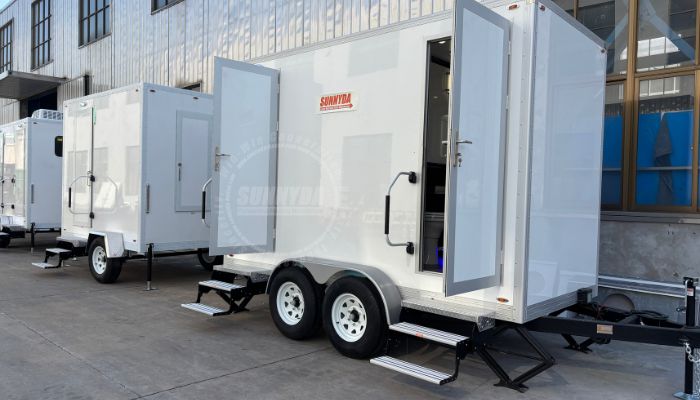
Not long ago, most outdoor events and job sites had only simple portable toilets. Now, more people are choosing restroom trailers because they’re cleaner, more comfortable, and feel just like home. This growing demand is opening the door for new business opportunities.

2. Where Restroom Trailers Make the Biggest Impact
Restroom trailers shine in places where a lot of people gather, weddings, concerts, festivals, sports events, construction sites, and even emergency response areas. They offer more than just a place to go; they add comfort, privacy, and a touch of class.
3. What’s Fueling the Growth
Several things are pushing the market forward: event planners wanting to impress guests, businesses prioritizing worker comfort, and cities needing better sanitation options during emergencies. These needs keep the industry busy every season.
4. The Players in the Industry
You’ll find two main types of providers: independent business owners who run everything by themselves, and franchise operators who work under a bigger brand. Each one has their strengths; independents can be more flexible, while franchises have proven systems and brand recognition.
5. Why Now is a Great Time to Join
If you’ve ever thought about starting a business, this could be your moment. More customers are willing to pay for better restroom experiences, and there’s plenty of room to find your niche, whether that’s luxury events, large-scale construction, or disaster relief.
Initial Considerations Before Starting
Once you understand the market, it’s important to ask yourself, “Am I really ready for this?” Starting a restroom trailer business isn’t just about buying trailers, it’s about having the time, money, and energy to keep everything running smoothly from day one.
Budget and Financing
Think realistically about how much you can invest. Beyond trailers, you’ll need money for maintenance, marketing, fuel, and compliance costs like permits or safety requirements. Consider whether you’ll use personal savings, take out a loan, or seek investors.

Your Skills and Experience
Do you have experience in event services, construction, logistics, or customer service? If none, are you comfortable learning on the go and handling both the business side and hands-on tasks? This business rewards quick problem-solvers who keep customers happy.
Time Commitment
Some work means early mornings, late nights, or weekends. Be honest about how much time you can dedicate, especially during busy seasons when demand spikes.
Support Network
Running this business involves juggling bookings, cleaning schedules, and transportation. Having reliable help, whether drivers, maintenance workers, or a trusted local mechanic, makes a big difference when things get busy.

Legal and Licensing Requirements
Before booking your first event, make sure your business is legal and compliant with the set regulations. This part might not be the most exciting, but it’s crucial, and skipping it can lead to fines or even closure.
Business Registration
Choose your business structure, sole proprietorship, partnership, LLC, or corporation, then register it with the appropriate local authorities. This makes your business official and legal.
Permits and Licenses
Many areas require special permits for mobile restroom services, especially if related to waste transport and disposal. Check with your local health department or city office to find out exactly what’s needed.

Insurance Coverage
At a minimum, you’ll want liability insurance to protect against accidents or property damage. It’s also wise to have vehicle insurance for transport trucks and coverage for the trailers themselves.
Waste Disposal Agreements
Set up contracts with approved waste treatment or septic service providers. They’ll ensure waste is disposed of safely and in line with local regulations.
Health and Safety Compliance
Restroom trailers must meet sanitation standards, especially for public events. This includes keeping cleaning logs, using approved cleaning products, and offering accessible units that comply with ADA guidelines.

What is a Restroom Trailer Franchise?
A restroom trailer franchise is joining a well-organized team with a successful playbook already written. You’ll operate under an established brand, using their name, systems, and business model. In return, you follow their rules and share part of your earnings through fees. It’s a way to enter the industry with a head start, building on a brand that already has recognition and proven processes. Like any business path, franchising comes with its ups and downs.
Pros:
- Faster Launch – The business model is tested, so you can start serving customers sooner.
- Built-In Marketing – National or regional campaigns help bring customers to your door from day one.
- Training and Support – Ongoing guidance in operations, sales, and customer service helps you avoid beginner mistakes.
- Group Purchasing Power – Bulk deals on trailers, supplies, and equipment can lower your costs.
Cons:
- Less Flexibility – Trying a new service or niche may require corporate approval.
- Ongoing Royalties – A percentage of your revenue goes to the franchisor, no matter your profits.
- Territory Restrictions – You might be limited to certain areas, even if there’s demand elsewhere.
- Upfront Franchise Fees – You’ll need to invest quite a bit upfront before you can start taking on your first customers.
What is an Independent Restroom Trailer Company?
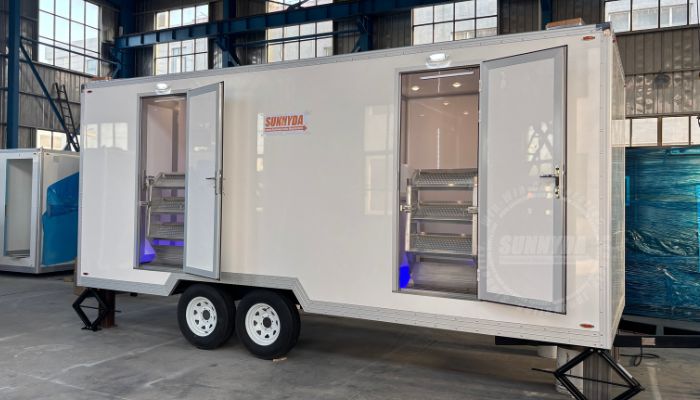
An independent restroom trailer company is one that you build entirely on your own, with no parent company and no preset rules. You choose the name, design your services, set your prices, and decide how to grow. Every part of the business is in your hands, giving you full creative control and the freedom to adapt as you wish. It’s a path for those who prefer doing things their way, even if it means starting from scratch. Here’s what that looks like.
Pros:
- Creative Freedom – Experiment with marketing, service packages, and trailer features without asking permission.
- No Brand Limits – Position yourself as high-end, budget-friendly, eco-focused, or anything in between.
- Full Profit Retention – Everything you earn stays in your business, no royalties or franchise fees.
- Flexible Growth – Expand into new territories or services anytime without corporate restrictions.
Cons:
- Slower Recognition – You will have to work harder and longer to build trust with customers.
- Steeper Learning Curve – Without preset systems, every decision (from pricing to marketing) takes trial and error.
- Higher Supply Costs – Without franchise buying power, equipment and supply expenses may be higher.
- No Built-In Support – You’re responsible for training, marketing strategies, and troubleshooting entirely on your own.
Cost and Key Areas of Comparison
When you’re weighing whether to go the franchise route or go independent, the price tag can look very different. Here’s a side-by-side breakdown:
1. Initial Investment
- Franchise: Typically around $90,000 to $140,000. This covers the franchise fee, trailers, truck, and setup costs.
- Independent: Usually between $65,000 and $125,000+, depending on how many trailers you start with, the vehicle you choose, and branding expenses

2. Ongoing Fees
- Franchise: Expect to pay about 5–7% of your revenue or a fixed monthly fee, whichever is higher.
- Independent: No royalty fees, but you’ll need to invest in your own systems, booking tools, and brand maintenance.
3. Local Marketing
- Franchise: Annual marketing expenses often range from $6,000 to $20,000, depending on your market size and franchise requirements.
- Independent: You set your own budget, this could be just a few thousand dollars in smaller towns or similar to franchises in larger, competitive markets.
4. Other Costs
- Franchise: Includes training, extra trailers, cleaning supplies, insurance, and daily operating expenses.
- Independent: Similar costs, plus potential extra expenses for website creation, brand promotion, and networking activities.

Operational Setup and Differences
Running a restroom trailer business involves many moving parts that need to work smoothly every day. How these operations are set up varies quite a bit between franchises and independent businesses:
1. Daily Procedures
Franchise owners follow specific and documented procedures for trailer cleaning, maintenance, delivery schedules, and customer service. Everything is designed to ensure consistency across locations.
Independent owners develop their daily workflows, tailoring routines to fit their team size, customer preferences, and local conditions
2. Scheduling and Booking
Many franchises use centralized or proprietary booking systems that help coordinate reservations, dispatch, and billing efficiently.
Independent businesses often choose their scheduling tools, ranging from simple calendars to custom software, based on what suits their operation best.

3. Staff Training
Franchises typically provide a formal training program with manuals and ongoing refresher courses to maintain uniform service quality.
Independent owners create their own training materials and may rely on on-the-job learning and adjustments.
4. Supplier and Vendor Management
Franchisees often work with approved suppliers or benefit from negotiated group pricing for trailers, parts, and supplies.
Independent operators are responsible for sourcing their vendors, which offers flexibility but requires more research and relationship-building.
Risk and Growth Potential
Every business comes with its own set of risks and opportunities. When you join a franchise, you’re stepping into a proven system that offers steady support and reduces uncertainty. This can lead to more predictable, steady growth, but you might face limits on how quickly or widely you can expand because of franchise rules and territories.
On the other hand, going independent means you’re building from scratch. That brings more risk since you’re paving your own way, but it also gives you full control over how fast your business grows and what direction it takes. You can be more flexible, try new ideas, and adapt quickly, but only if you’re ready for the challenge.

Ultimately, the best choice depends on how comfortable you are with risk and what kind of growth you want for your business. Think about your personal goals, your appetite for uncertainty, and how involved you want to be in shaping your company’s future. That reflection will help you find the right path for you.
Decision-Making Checklist
Choosing between a franchise and starting your own independent restroom trailer business? Here’s a simple checklist to help you figure out what fits you best:
1. How Much Support Do you Want?
If you want ongoing guidance and a proven system, a franchise is a good fit. If you prefer to learn and create on your own, going independent suits you better.
2. What’s your Budget for Startup and Ongoing Costs?
Franchises usually come with fees and marketing contributions. Going independent, you will have fewer fixed fees, but you will handle all costs yourself.

3. How Important is Creative Freedom?
Franchises require following the brand rules. Going independent gives you full control over your business style and decisions.
4. How Quickly Do You Want to Launch and Grow?
Franchises often offer a faster start thanks to tested systems. Going independent may take you longer to establish your brand, but you have flexible growth.
5. What Level of Risk are You Comfortable With?
Franchises tend to lower risk with support and brand recognition. Going independent makes you take on more risk, but you can reap bigger rewards.

6. How Involved Do you Want to be in Daily Operations?
Franchises provide clear systems to follow. Going independent lets you create and manage your workflows.
Conclusion:
Starting a restroom trailer business is an exciting journey, whether you choose to join a franchise or start your own. Each path offers unique benefits and challenges, from the support and structure of a franchise to the freedom and flexibility of an independent venture.
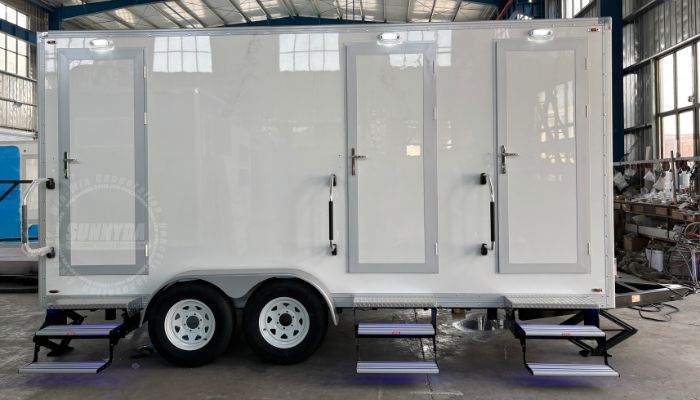
For those going independent, partnering with a manufacturer like Sunnyda, which offers customizable restroom trailers, can be a big advantage. It lets you tailor your trailers to exactly what your customers need, helping you stand out and create a unique brand.
The best choice depends on your goals, resources, and how you like to work. By understanding the differences in branding, operations, costs, and growth potential, you’re better equipped to make a decision that fits your style and sets you up for success.
Remember, there’s no one right way, just the way that feels right for you. With the right preparation and mindset, you can build a business that not only meets your needs but also serves your customers well.

