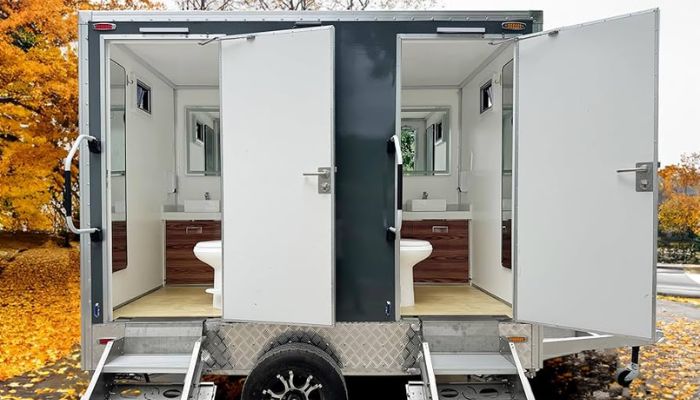
Have you ever seen a clean, modern restroom trailer at an event or job site and thought, “That’s a smart business”? You are right and it’s something you can do too. More and more people are renting restroom trailers for weddings, parties, construction sites, and outdoor events. There is a growing demand, and starting your own rental business might be easier than you think.
This guide will show you how to get started, how to attract customers, and how to grow a business that’s practical, profitable, and built to last.

Why Restroom Trailer Businesses Are Becoming Popular
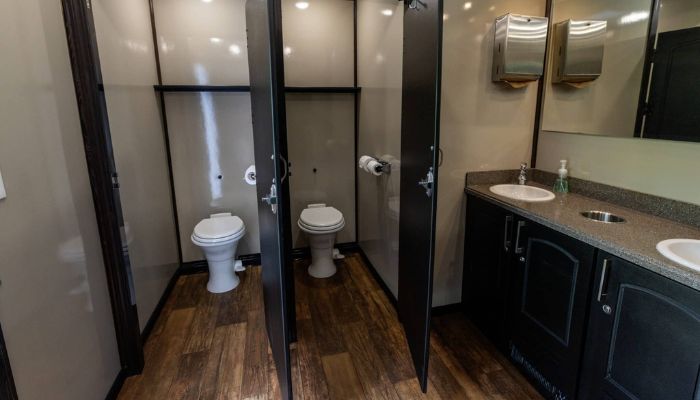
People are tired of using dirty, cramped porta-potties, especially at social events or long job sites. Restroom trailers feel like real bathrooms – equipped with clean toilets, running water, lights, and even air conditioning. Comfort that makes a big difference.
As more social events and projects occur outdoors, the demand for restrooms keeps growing. This is the reason why restroom trailer rentals are popping up everywhere, and people are starting businesses to meet that need. It’s simple, useful, and people are willing to pay for it.
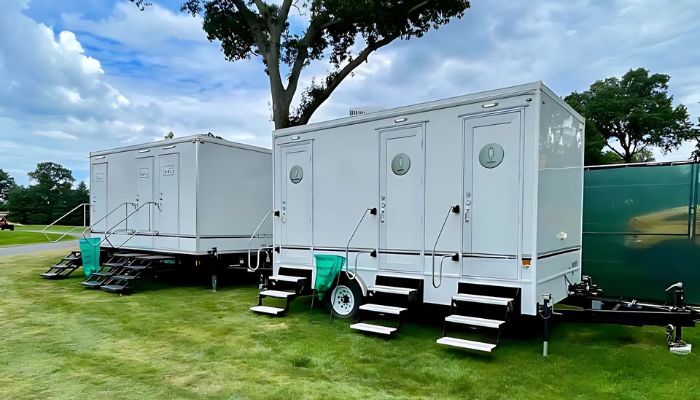
Understanding the Market
To run a successful restroom trailer business, it helps to know exactly who you are serving and what they are looking for. Listed below are some of the main types of customers to focus on:
Event Planners
Weddings, outdoor parties, festivals, and concerts all need clean and comfortable restrooms. These clients often look for trailers that feel upscale and are equipped with features like sinks, mirrors, and lighting.
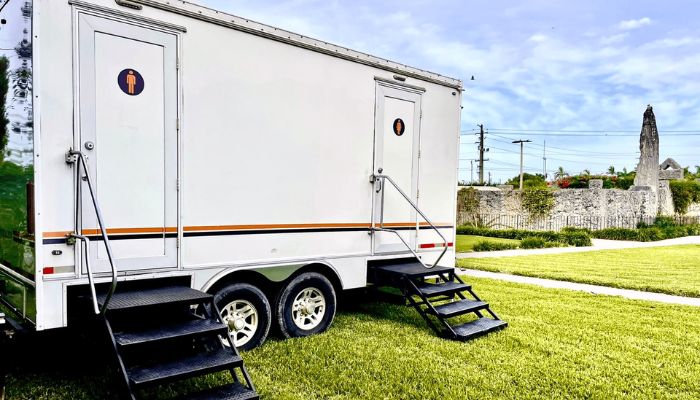
Construction Companies
Job sites need restrooms that can handle daily use over weeks or months. These clients value durability, easy maintenance, and reliable service.
Local Government Agencies
During community events, natural disasters, or large public gatherings, mobile restrooms become a must. These customers often need fast delivery and a setup that’s ready to use.
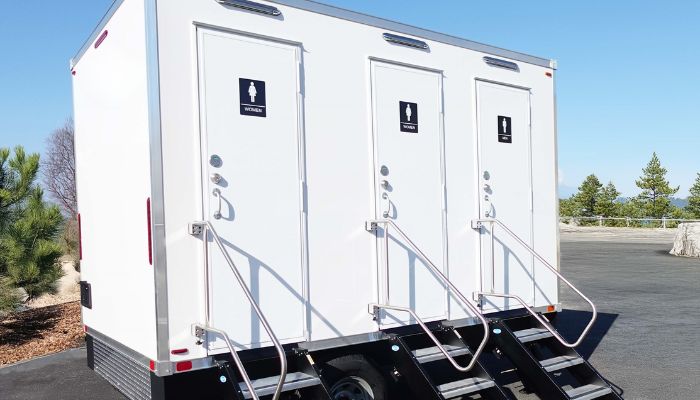
Entertainment Industry Clients
Productions often shoot in remote locations where bathrooms aren’t available. Crews expect clean, private restrooms that are easy to move from site to site.
Planning Your Business and Setting Goals
Laying a strong foundation for your restroom trailer business starts with good planning. A clear plan helps you stay focused, make smart choices, and track your progress as you grow. Here’s how to get started, step by step:

Step 1: Decide on The Services That You Will Offer
Start by thinking about the types of restroom trailers you want to provide. Will you offer basic units, mid-range options, luxury trailers, or a mix of all three? Next, decide who you want to serve. Some businesses focus on short-term rentals for weddings and events, while others cater to long-term needs like construction sites. You might also offer extras like handwashing stations, cleaning services between rentals, generators, or on-site attendants. These add-ons can make your service more valuable and help you stand out from competitors.
Step 2: Set Clear and Realistic Goals
Setting goals gives your business direction. A good way to do this is by using the SMART method, making your goals Specific, Measurable, Achievable, Realistic, and Time-bounded. For example, a short-term goal might be to book five rentals in your first three months. A mid-term goal could be to earn enough to buy another trailer within the year. Long-term, you might aim to build a small fleet and serve more than one city. Writing these goals down helps keep you on track.

Step 3: Know Your Budget and Cash Flow
It’s important to understand both your one-time startup costs and your ongoing monthly expenses. Startup costs might include buying a trailer, business registration, insurance, tools, and marketing. Your monthly expenses could include fuel, maintenance, storage fees, dumping services, and possibly employee pay. Figure out how much money your business needs to bring in each month to cover these costs, that’s your break-even point. From there, you can plan how to make a profit. If you need help getting started, look into financing options like business loans, leasing a trailer, or using personal savings.
Step 4: Write a Simple Business Plan
You don’t need a long or complicated plan, but it’s helpful to write down the basics. Start with your mission, what problem are you solving, and for whom? Define your target customers, whether that’s event planners, contractors, or production crews. Explain what services you’ll offer, how much you’ll charge, and how you plan to reach your customers. Also include your business goals and what success looks like in one, three, or five years. This plan doesn’t have to be perfect, it just helps you stay organized and focused.

Step 5: Think About Growth and Stay Flexible
As your business gets off the ground, be open to new opportunities. You might start with weddings, then discover steady demand from corporate events, local festivals, or film sets. Pay attention to customer feedback, it often points you in the right direction. Think about how you’d grow when the time comes. Will you add new trailers? Expand into nearby cities? Offer more services? Planning for the future while staying flexible helps you grow your business without feeling overwhelmed.
Legal Requirements and Permits
Before you start taking bookings, it is important to make sure your restroom trailer business is set up legally. Getting everything in order early helps you avoid delays, fines, and problems down the road.
1. Make Your Business Official
First, choose how you want to set up your business. A sole proprietorship is the easiest to start, but it doesn’t protect your personal assets. An LLC is a popular option because it gives you some legal protection and flexibility with taxes. If you plan to grow big or bring in investors, you might consider setting up a corporation. Once you’ve decided, register your business name and apply for an EIN (Employer Identification Number) so you can pay taxes and hire people if needed.

2. Get the Appropriate Licenses and Permits
The licenses you need depend on your city, state, or country, but here are some of the most common ones. You’ll likely need a general business license to operate legally in your area. If you’re handling waste yourself, you may also need a special permit or a contract with a licensed waste disposal company. If your trailers have plumbing or running water, check with your local health department for approval. Make sure your trailers and tow vehicles are properly registered, and if you’re driving across state lines or hauling heavier trailers, you might need a DOT number and to follow commercial transport rules.
3. Don’t Skip Insurance
Having the right insurance gives you peace of mind and protects your business. Most restroom trailer businesses need general liability insurance in case someone gets hurt or property is damaged while using your trailer. You’ll also want commercial auto insurance for your tow vehicle, coverage for the trailer itself, and maybe even workers’ comp if you plan to hire employees.

4. Keep Your Paperwork in Check
Keep a folder (both digital and physical) with copies of your licenses, insurance papers, and contracts. Set reminders to renew anything that expires, like your business license or insurance.
Types of Restroom Trailers to Choose From
When starting your restroom trailer business, it helps to know the different types of trailers out there. The right one depends on who you want to serve, what kind of events you’ll handle, and how much you’re ready to invest. Here are the most common types to consider:
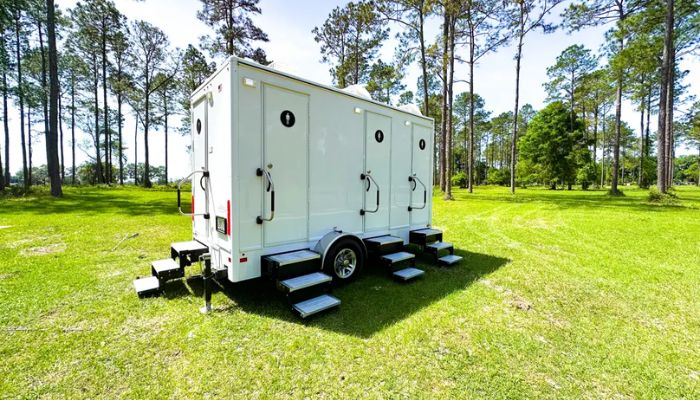
1. Standard Restroom Trailers
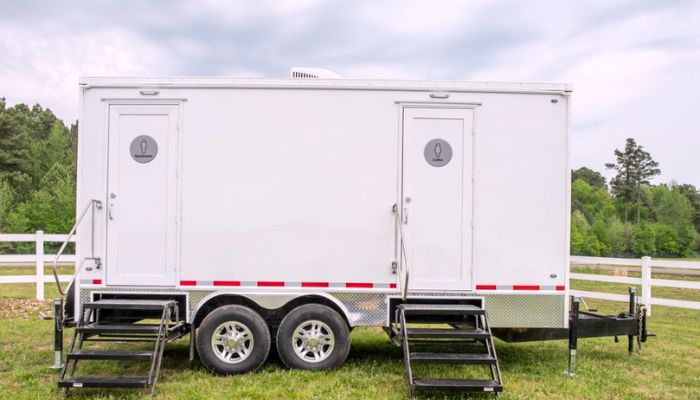
These are the basic but reliable trailers, nothing too fancy, but they get the job done. They’re great for construction sites, community events, and outdoor festivals. Most come with flushing toilets, sinks, and lighting. They are easy to clean and a good option if you’re just getting started.
2. Luxury Restroom Trailers
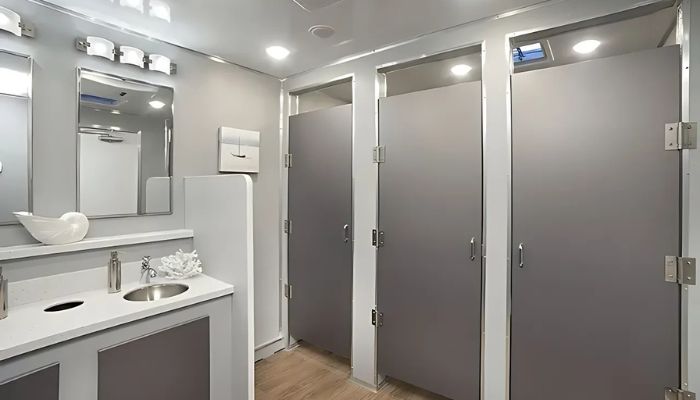
Luxury trailers are all about comfort and appearance. These are popular for weddings, private parties, and corporate events. Inside, you’ll usually find stylish lighting, climate control, large mirrors, and sometimes even music. They cost more, but people are often willing to pay extra for a better restroom experience.
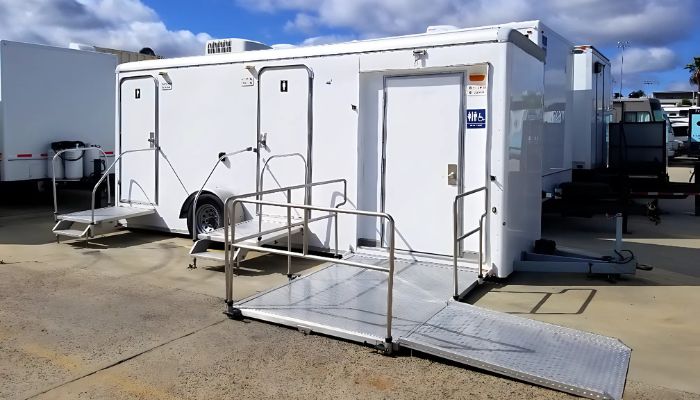
3. ADA-Compliant Trailers
These trailers are designed to be wheelchair-friendly. They have wider doors, ramps, handrails, and lower sinks. Many public events require at least one ADA unit, so having one in your fleet makes you more flexible and inclusive.
4. Shower Trailers
If your clients need a place to freshen up, shower trailers are the answer. They include private stalls with hot water and are often used at festivals, work camps, or emergency response sites. Some also include toilets, while others focus just on showers.
5. Combo Units
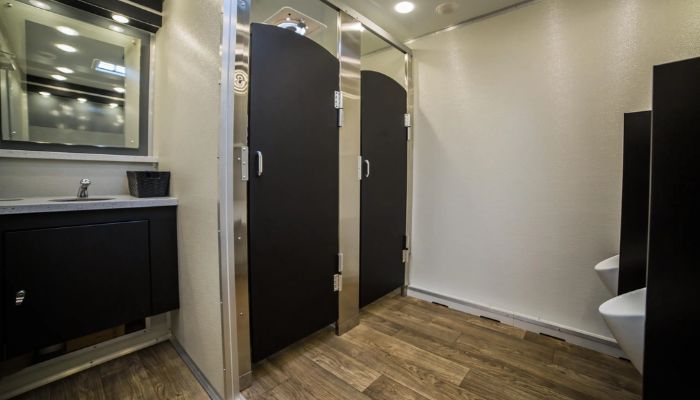
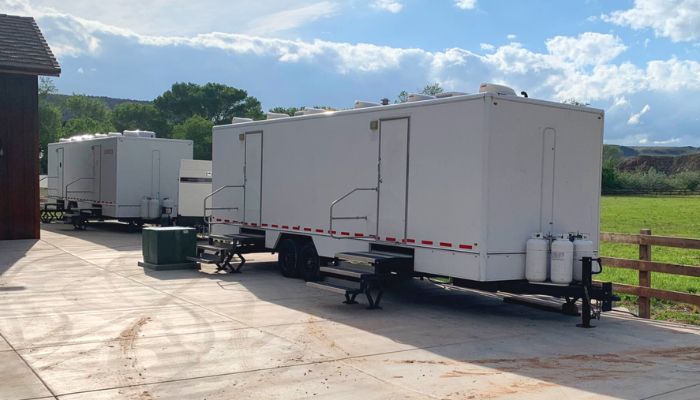
Combo trailers are a mix of toilets, urinals, and showers all in one. These are great for long-term job sites or remote areas where people need full restroom and shower access. They save space and give your customers a little of everything.

Cleaning, Upkeep, and Repairs
Keeping your restroom trailers clean and in good working condition is one of the most important parts of running a successful rental business. Clean trailers keep customers happy, prevent breakdowns, and help build your reputation as a reliable provider. Here’s how to stay on top of it all:
1. Clean After Every Rental
Every trailer should be fully cleaned and restocked with toiletries after each rental. Start by disinfecting all surfaces, this includes toilets, sinks, counters, door handles, and floors. Empty and sanitize the waste tanks properly, and refill all supplies like toilet paper, hand soap, paper towels, and sanitizer. Don’t forget to wipe down mirrors and check for any lingering smells. Using tank deodorizer and air fresheners can help keep the space pleasant. To make things easier, create a cleaning checklist you can follow every time, so nothing gets missed.
2. Stay on Top of Routine Maintenance
Regular maintenance can help you catch small issues before they become expensive problems. Every week, take a few minutes to test the water system, lights, air conditioning or heating, and toilet flush mechanisms. Once a month, give the tanks and plumbing a deep clean and clear out any vents. At least once each season, especially before winter or your busy summer months, check the trailer’s tires, brakes, roof seals, and overall structure to make sure everything is still in top shape.
3. Be Ready for Repairs
Even with great upkeep, things can still go wrong. Small problems like leaks or a broken light can quickly turn into major issues if ignored. It’s smart to keep a basic repair kit on hand with things like spare fuses, hoses, bulbs, gloves, sealant, and simple tools. Learn how to handle minor fixes yourself, but also have a go-to local technician or mobile repair service you can call for bigger jobs. Quick repairs can keep your trailer in service and your customers happy.

4. Track Everything and Stay Organized
The more restroom trailers you own, the harder it becomes to remember what’s been done. Keep a maintenance log for each trailer where you track cleanings, inspections, and repairs. You can use a notebook, spreadsheet, or even a mobile app or software designed for maintenance tracking. Set reminders for regular tasks and pay attention to any problems that keep coming back, these might be signs of a deeper issue that needs attention.
Hiring and Managing a Team
As your restroom trailer business grows, handling everything on your own can get tough. That’s when bringing on a small, dependable team can really help. The right people can improve your customer service, keep things running smoothly, and give you more time to focus on growing your business (or just take a break once in a while).
1. Know Who You Need
Think about the roles that support your daily operations. You might need a driver to deliver and pick up trailers, someone who’s licensed, dependable, and confident towing large equipment. A cleaning crew is also key. They’ll make sure your trailers are spotless, stocked, and ready for the next customer. If you’re getting a lot of bookings, someone to help with admin tasks like answering calls, managing the schedule, sending invoices, or helping customers can also be a big help.

2. Hire the Right People
Look for punctual people, take pride in their work, and are comfortable working outdoors. Cleaning and maintenance require attention to detail, so make sure your team cares about doing things right. If they’re talking to customers or delivering trailers, they should also be friendly and professional. Always ask for references, and for roles involving customer property or driving company vehicles, consider running a background check.
3. Set Clear Expectations
Make sure new hires get proper training from day one. Show them how to clean and restock trailers your way, how to safely deliver and pick up equipment, and how to talk to clients if questions come up. Use checklists or step-by-step guides so everyone follows the same process, this keeps the quality high and avoids confusion.
4. Keep Communication Concise
Use a shared calendar or team app to assign jobs and keep everyone in the loop. Short weekly check-ins, even just a group message or 10-minute call, can help you stay organized and spot issues early. Always encourage your team to speak up if there’s damage, a customer concern, or something that needs fixing.

How to Get Customers and Build a Good Name
Getting your first customers is exciting, but keeping them happy and building a great reputation is how your business really grows. In the restroom trailer business, people need to trust you to show up on time, deliver clean units, and handle things professionally. Here’s how to bring in new clients and earn their trust.
1. Set Up a Simple, Professional Website
Your website doesn’t need to be fancy, it just needs to clearly show what you do. List your services, pricing, photos of your restroom trailers, and a way for people to contact you. Add FAQs to answer common questions and a few reviews from happy customers to build trust. Make sure it looks good on phones, too, cause most people will find you while scrolling.

2. Get Found Where People Are Searching
Create a Google Business Profile so your business shows up in local search results and Google Maps. Also, list your business on event directories, local service sites, and even platforms like Craigslist or Facebook Marketplace, where people often look for quick rentals.
3. Show Off on Social Media
Post photos of your trailers at real events. Share short videos of setups, cleaning tips, or happy customer moments. You don’t have to post every day, just be real and consistent. Use hashtags like #restroomtrailer or #eventrentals and tag local vendors or venues to get noticed.
4. Build Local Connections
Reach out to wedding planners, event venues, caterers, construction companies, or production crews. Offer a discount or referral bonus for trying your service. Attend local business mixers or community events to meet people face-to-face real connections go a long way.
5. Ask for Reviews
After each rental, ask your customers to leave a review. Most people are happy to help if they have had a good experience. Post those reviews on your site and social media. If someone leaves negative feedback, respond kindly, fix the issue if you can, and learn from it.
Delivering a Great Customer Experience
In the restroom trailer business, clean units and on-time service are important, but the real secret to standing out is how you treat your customers. Great service turns one-time renters into repeat clients and helps your business grow through word of mouth.
1. Be Reliable and Punctual
Always stick to your promised schedule, showing up early is even better. Confirm the delivery location and any event details in advance so there are no surprises. If there’s a delay, let your customer know right away. Keeping them informed builds trust.
2. Make Sure Trailers Are Spotless and Ready
A clean restroom trailer says a lot about your business. Before every rental, double-check that everything works and that it’s fully stocked with paper, soap, and fresh water. Small details (like folded towels, clean mirrors, and a light air freshener) go a long way in making a good impression.
3. Communicate Clearly and Kindly
Whether it’s a phone call, text, or email, respond quickly and stay friendly. Before the event, go over what’s included and what the customer may need to handle. Clear and polite communication helps people feel at ease when doing business with you.
4. Handle Issues Calmly and Quickly
If something goes wrong, don’t panic, just focus on fixing it. Whether it’s a plumbing issue or a missed delivery window, take responsibility, apologize if needed, and act fast. Keeping extra supplies or tools on hand helps you handle most common problems on the spot.
5. Follow Up and Show You Care
After the rental, send a short thank-you message. Ask if everything went well and invite them to leave a review if they’re happy. A little follow-up shows professionalism and lets them know you’d love to work with them again.
Smart Ways to Set Your Prices
Setting the right price for your restroom trailer rentals is one of the most important parts of running a successful business. Charge too little, and you might lose money. Charge too much, and you could turn customers away. A smart pricing strategy helps you stay competitive while making sure your business stays profitable.

1. Know What It Costs You
Before you set any prices, figure out what each rental actually costs. That includes fuel, delivery time, cleaning supplies, labor, maintenance, insurance, and even marketing. When you know your real costs, you’ll know how much you need to charge just to break even, and what you need to earn to make a profit.
2. Compare What Others Are Charging
Look at other restroom trailer rental companies in your area. What types of trailers are they offering? Are their prices higher for luxury features or lower for basic units? Do their rates include delivery and cleaning, or are those extra fees? This research helps you see where your business fits and how to stand out without underpricing yourself.
3. Offer Flexible Pricing Options
Not all customers need the same thing. Offering different packages makes it easier for people to book with you. Try offering:
- Daily rates for weddings, parties, or one-day events
- Weekly or monthly rates for construction jobs or film shoots
- Add-ons like extra cleaning, attendants, generators, or ADA-compliant units
- Delivery/setup fees that vary by distance or difficulty
Flexibility helps you serve more types of clients and charge fairly for the extra work when needed.

4. Price Based on Value, Not Just Time
Don’t feel like you need to be the cheapest option. If your restroom trailers are clean, look great, and you’re reliable, many customers will pay more for the peace of mind. Especially for events like weddings or VIP functions, people want things to go smoothly, and they’ll pay for that reliability.
5. Review and Update Your Rates
Prices don’t have to stay the same forever. Review your rates every few months, especially if your costs go up, your services improve, or demand increases. Adjusting your prices helps your business stay afloat and healthy long-term.
Tips for Long-Term Growth
Once your restroom trailer business is up and running, the next step is growing it in a smart, steady way. Growth isn’t just about buying more trailers, it’s about building a business that runs smoothly, reaches more people, and keeps customers coming back.
1. Reinvest in Your Business
Use some of your profits to improve your setup. That could mean buying an extra trailer, upgrading to a better model, or investing in better tools and cleaning supplies. You can also put money into your website, advertising, or training to offer an even better customer experience.
2. Expand Your Service Area
Start by reaching nearby towns or communities. If it makes sense, go beyond your local area, just be sure to check permits and add delivery fees to cover longer trips. The wider your reach, the more booking opportunities you’ll have.
3. Offer Extra Services
You can grow your income by offering related add-ons like handwashing stations, portable sinks, generators, or even attendants for big events. These extras make your service more valuable and can help you stand out from competitors. Bundling them into packages also makes things easier for customers to book.
4. Keep in Touch with Repeat Clients
Reach out to past customers now and then, whether through email, text, or social media. Offer loyalty discounts or referral deals. After a successful event, follow up with the planner or site manager to say thank you and remind them you’re available for their next job. These little touches build trust and bring in more repeat business.
5. Make Your Work Easier with Systems
As you get busier, staying organized becomes even more important. Use tools to handle bookings, invoices, cleaning schedules, and customer messages. Having systems in place saves time, reduces mistakes, and helps your team work more smoothly, especially as you grow.

6. Protect Your Reputation
Ask for reviews from happy customers, and post them on your website and social pages. If something ever goes wrong, fix it quickly and follow up. The way you handle small issues says a lot about your business. Keep sharing photos, updates, and helpful tips online so you stay top of mind when people need your service again.
Conclusion:
Starting a restroom trailer business might seem like a big step, but with the right plan, it becomes a smart and rewarding move. As long as people host events, build things, or work outdoors, there will always be a need for clean, reliable restrooms.
Now that you know what it takes (from choosing the right trailer to finding your first customers), you’re already ahead of the game. Take it one step at a time, stay focused on quality and service, and don’t be afraid to start small. Many successful owners began with just one trailer and grew from there.
Your business has the potential to not only bring in steady income but also provide a service people truly appreciate. So go ahead, get started, and make it happen.